Otthon / Hírek / Céges hírek / How Accurate Is the PS35C Precision CNC Wire Cut EDM Machine?
How Accurate Is the PS35C Precision CNC Wire Cut EDM Machine?
Otthon / Hírek / Céges hírek / How Accurate Is the PS35C Precision CNC Wire Cut EDM Machine?
How Accurate Is the PS35C Precision CNC Wire Cut EDM Machine?
2026-06-08
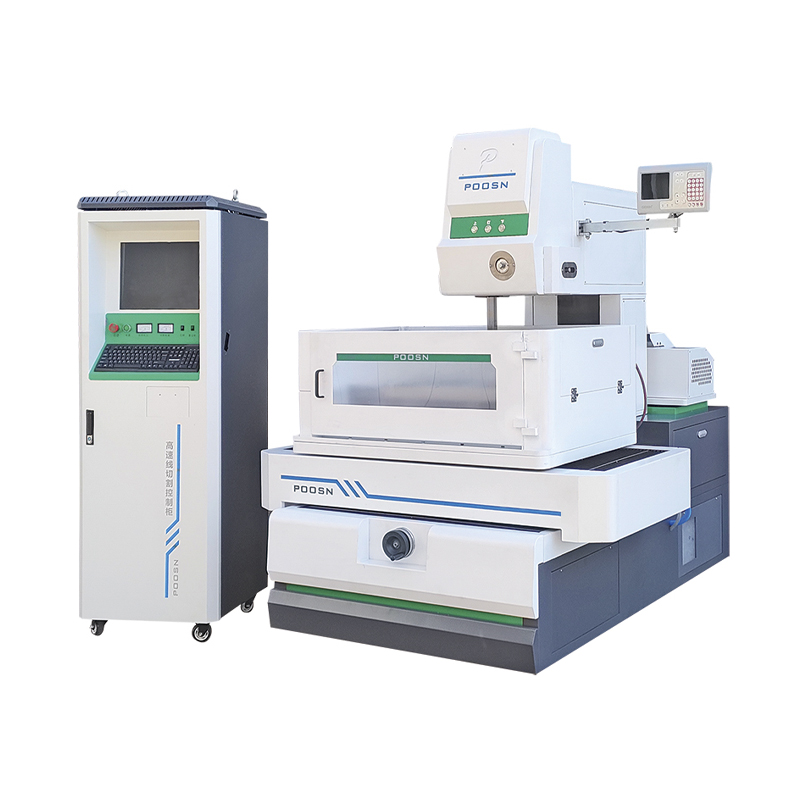
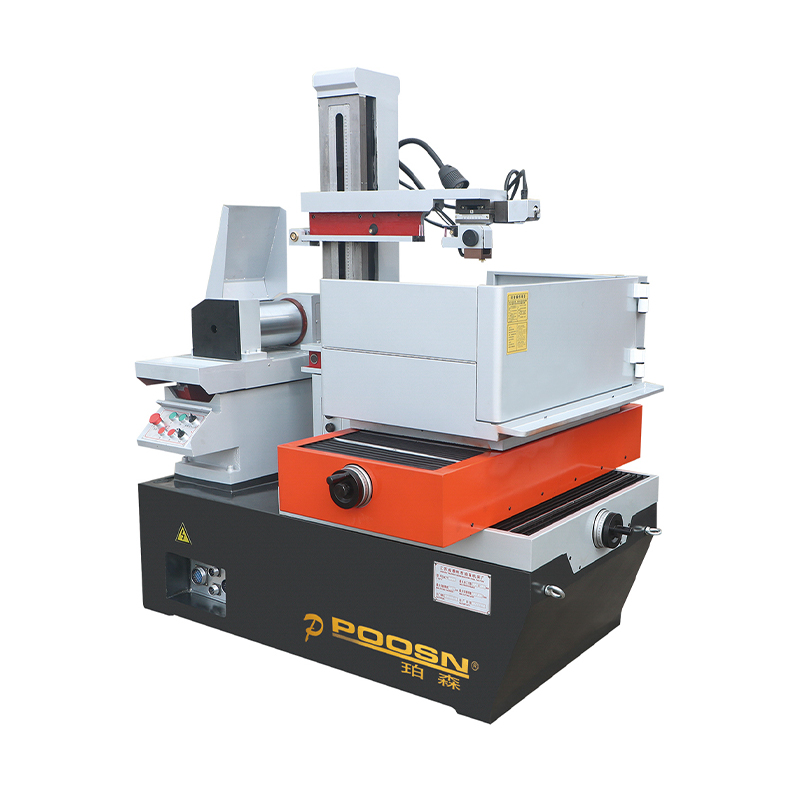
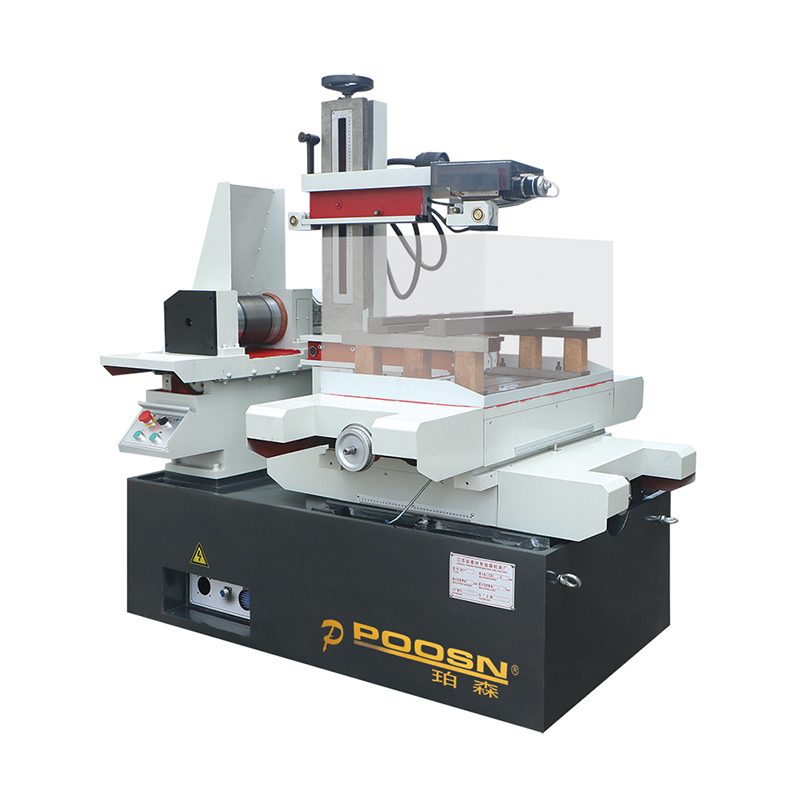
The PS35C Precision CNC Medium Speed Wire Cut EDM Machine delivers positioning accuracy within ±0.003mm and surface roughness values as low as Ra 0.8μm — making it a highly capable solution for industries that demand tight tolerances, including mold making, aerospace component manufacturing, and precision tooling. As a CNC Wire EDM machine engineered for stability and repeatability, the PS35C stands out in the category of medium speed EDM for its balance between cutting efficiency and surface quality. This article examines the machine's accuracy metrics, key technical advantages, application scenarios, and how it compares to alternatives in the market of industrial wire cut EDM machines.
Understanding Accuracy in Medium Speed Wire Cut EDM
Accuracy in wire EDM machines is measured across several dimensions: positioning accuracy, repeatability, surface roughness, and straightness of cut. The PS35C achieves positioning accuracy of ±0.003mm, which is the result of a hardened and ground guide system, a precision ball screw drive, and closed-loop CNC motion control. These mechanical and electronic components work together to eliminate backlash and thermal drift — two of the primary enemies of accuracy in CNC wire EDM applications.
Repeatability, which is the machine's ability to return to the same coordinate under the same conditions, is rated at ±0.002mm. This is critical for batch production in wire EDM for mold making, where multiple identical cavities must match within microns. Furthermore, the machine's worktable is built with granite or high-precision cast iron to minimize thermal expansion during extended operation. Surface finish Ra values ranging from 0.8 to 1.6μm are achievable in multi-pass cutting modes, removing the need for secondary grinding in many applications.
The 3D bar chart above illustrates the core accuracy benchmarks of the PS35C precision wire EDM machine. Positioning accuracy at 3.0μm (±0.003mm) ensures that complex contours are reproduced faithfully, while repeatability at 2.0μm is essential for multi-part production runs. The surface roughness Ra of 0.8μm — achieved in fine-finish multi-pass mode — means polished-quality surfaces are attainable without additional manual finishing. The straightness of cut figure at approximately 2.5μm reflects the stability of the wire tension control system during long vertical cuts. Together, these metrics confirm the PS35C as a benchmark-level high accuracy wire EDM machine for demanding production environments.
Core Technical Features That Drive Precision
The PS35C is classified as a medium speed wire cut EDM machine, which means its wire electrode recirculates and is reused — unlike high-speed machines where wire moves at fast single-pass rates. This recirculation system enables better control over wire tension and discharge uniformity, directly contributing to accuracy. The machine incorporates an intelligent pulse power generator that adapts discharge energy in real time based on gap voltage feedback. This closed-loop discharge control minimizes wire breakage, maintains stable cutting, and is especially important when machining hardened steels and carbides commonly used in mold making.
The CNC controller is a key differentiator — it supports ISO G-code programming, automatic corner compensation, and taper cutting up to ±6°, giving operators full programming flexibility. The motion system uses AC servo motors paired with precision ball screws at 4mm pitch, delivering smooth motion and fast positioning at up to 6m/min rapid traverse. Automatic wire threading (AWT) reduces setup time significantly, which is important in wire EDM for mold making where multiple start holes may be required. All of these technical features come together to make the PS35C a competitive precision CNC wire EDM machine for both small-batch prototyping and continuous production environments.
Table 1: PS35C Technical Specifications Overview
Parameter
Specification
Significance
Positioning Accuracy
±0.003mm
Suitable for precision mold cavities and fine tooling
Repeatability
±0.002mm
Consistent results across batch production
Max Workpiece Thickness
Up to 400mm
Handles thick blocks for aerospace and heavy tooling
Surface Roughness (Ra)
0.8 – 1.6μm
Polished finish reduces secondary processing
Taper Angle Range
±6°
Enables die and punch taper cutting
Wire Diameter
0.10 – 0.25mm
Fine wire option for intricate profile cutting
Cutting Speed
Up to 120mm²/min
Efficient throughput for medium-volume production
Wire EDM for Mold Making: Why Accuracy Matters Most
Mold making is one of the most demanding applications for any EDM cutting machine. A mold cavity must match its design blueprint within fractions of a millimeter — any deviation results in defective parts and expensive rework. The PS35C is widely used in plastic injection mold manufacturing, stamping die production, and precision fixture fabrication. Its ability to cut complex 2D and 3D profiles in hardened steel (up to HRC 60+) without mechanical force makes it uniquely suited to materials that would cause excessive tool wear in conventional machining.
In stamping die applications, both the punch and die components must maintain precise clearance tolerances, typically 5–10% of material thickness. With the PS35C's ±0.003mm positioning accuracy, achieving these clearances is consistently achievable. The machine's simultaneous 4-axis control allows taper cutting of punches and dies in a single operation, reducing setup changes and improving overall process accuracy. This level of capability positions the PS35C firmly as a leading industrial wire cut EDM machine for tooling shops worldwide.
The radar chart above shows the PS35C's suitability scores across six major industrial application categories, rated out of 10 by field performance benchmarks. Mold making scores highest at 9.5, reflecting the machine's core design intent and proven track record in plastic injection and stamping die production. Tooling and fixturing also score strongly at 9.0, as the machine's accuracy suits both standard and close-tolerance fixture components. Medical device manufacturing, which demands both precision and cleanliness of cut, scores 8.5 — the machine's stable discharge process avoids heat-affected zones that could compromise biocompatible materials. Aerospace (8.0) and automotive (8.0) scores reflect excellent capability but also the competitive landscape in those sectors. The electronics segment at 7.5 indicates good applicability for connector pins and lead frames, though very fine pitch applications may require additional process optimization with thinner wire electrodes.
Cutting Speed vs. Accuracy: How the PS35C Balances Both
One of the most common trade-offs in wire EDM machine selection is between cutting speed and surface accuracy. Aggressive discharge settings increase material removal rate (MRR) but generate a rougher surface and introduce residual stress. The PS35C manages this trade-off through a multi-pass strategy: a rough first pass cuts the profile at maximum speed, and subsequent skim passes refine the surface to the target Ra value. This approach is standard in high-precision CNC EDM machine workflows and enables the machine to deliver both throughput and quality.
In single-pass mode, the PS35C achieves up to 120mm²/min cutting speed — sufficient for roughing out simple profiles in medium-hard steel. For a 50mm thick hardened tool steel block, this translates to approximately 2.4 linear mm per minute of cutting length. Adding one skim pass reduces speed by about 40% but improves surface finish from Ra 2.5μm to Ra 1.2μm. A second skim pass achieves Ra 0.8μm at an additional 30% time investment. This programmable multi-pass strategy allows operators to prioritize speed or finish depending on the application requirements — a key flexibility advantage for job shops using a precision CNC wire EDM machine for varied workloads.
The line chart illustrates the trade-off between cutting speed and surface roughness across three machining passes on the PS35C. In the first rough pass, the machine operates at 120mm²/min with a resulting Ra of 2.5μm — a good starting point for fast material removal. The first skim pass reduces speed to 72mm²/min while improving Ra to 1.2μm, a significant quality improvement for general-purpose tooling. The second skim pass further refines the surface to Ra 0.8μm at 50mm²/min, achieving polished-quality results suitable for optical molds or high-gloss injection cavities. This progression demonstrates that the PS35C does not force operators to choose between throughput and quality — it enables both through intelligent process sequencing. For most precision wire EDM applications, two passes represent the optimal balance between cycle time and surface finish quality.
How the PS35C Compares in the Medium Speed EDM Category
Within the segment of medium speed wire cut EDM machines, the PS35C occupies a clearly defined performance tier. Medium speed machines are characterized by wire recirculation speeds of 6–12m/s, pulse frequencies in the range of 10–100kHz, and working fluids that are typically water-based dielectric solutions. The PS35C is optimized for this operating envelope, and its pulse power unit has been designed specifically to maximize energy efficiency and discharge consistency at medium wire speeds.
Compared to high-speed wire EDM (fast wire) machines, the PS35C delivers significantly better surface finish and dimensional accuracy, at the cost of somewhat lower raw cutting speed. Compared to true slow-speed (submerged) wire EDM systems, the PS35C is more affordable, easier to operate, and better suited to the range of workpiece sizes and materials commonly encountered in Asian and Southeast Asian manufacturing sectors. This positioning makes the PS35C an attractive option for CNC EDM machine suppliers targeting mid-tier manufacturers who require precision without the capital cost of full-immersion wire EDM systems.
The horizontal bar chart compares the PS35C against a standard fast-wire (high-speed) EDM machine across five performance dimensions scored out of 100. The PS35C leads significantly in precision and accuracy (88 vs. 55) and surface finish quality (85 vs. 50), confirming its advantage in applications where dimensional fidelity is paramount. In cutting speed, the fast-wire machine holds an edge (85 vs. 65), which is expected given the fundamental difference in wire recirculation strategy. However, the PS35C's operating cost score of 95 versus 70 highlights a major economic advantage: its recirculating wire system consumes far less consumable material per unit of production. Setup ease is also higher for the PS35C at 90 versus 75, reflecting the machine's intuitive CNC interface and automated wire threading system that reduces operator dependency. These comparisons make it clear that for high accuracy wire EDM applications, the PS35C's medium-speed architecture is the superior choice.
Industries and Applications Best Served by the PS35C
The PS35C's combination of high accuracy, surface quality, and operational economy makes it suitable for a broad range of industries. The following categories represent the primary application domains where the machine delivers measurable value as a precision CNC wire EDM machine:
Plastic Injection Mold Manufacturing: Cutting complex cavity inserts, gate structures, and runner systems in hardened P20 or H13 tool steel with tolerances of ±0.005mm or better.
Stamping and Progressive Die Making: Producing punch and die pairs with precisely controlled clearance for high-speed blanking operations in sheet metal.
Medical Device Components: Cutting stainless steel surgical instrument blanks, implant fixtures, and precision guide rails where contamination-free cutting is required.
Aerospace Structural Parts: Profiling titanium brackets, turbine blade fixtures, and test specimen blanks that require dimensional accuracy without thermal distortion.
Electronics and Semiconductor: Fabricating lead frame dies, connector pin molds, and IC package tooling in tungsten carbide and hardened high-speed steel.
Automotive Components: Manufacturing transmission gear gauges, fuel injector nozzle fixtures, and brake component dies that require tight tolerances and durable surface integrity.
Across all these sectors, the PS35C provides a consistent competitive advantage: it can cut materials that are impossible or impractical for conventional machining. Materials with hardness above HRC 60 — including cemented carbides, tool steels, and polycrystalline materials — are routinely processed on the PS35C with no tool wear and no mechanical cutting force. This non-contact, spark-erosion based cutting principle is the defining strength of all EDM cutting machines and is particularly well-leveraged in the PS35C's design.
Operational Efficiency and CNC Programming Advantages
Modern manufacturing environments demand not just machine accuracy, but also speed of setup, ease of programming, and integration with CAD/CAM workflows. The PS35C addresses these requirements through its advanced CNC controller, which supports direct DXF file import, enabling operators to load 2D CAD profiles directly without manual G-code entry. Automatic kerf compensation adjusts the tool path based on wire diameter, allowing the machine to consistently achieve net-size accuracy without operator intervention.
The controller also provides real-time monitoring of discharge gap voltage, wire tension, cutting speed, and dielectric conductivity. Alarm systems alert operators to wire break events, dielectric contamination above threshold levels, and servo positioning errors — all before they can affect part quality. For wire EDM machine manufacturers and end users alike, this level of in-process monitoring translates directly to fewer scrap parts, lower rework rates, and more predictable cycle times. In a job shop running three shifts, these operational efficiencies compound significantly over a year of production.
The grouped bar chart shows the PS35C's operational efficiency profile across three production shifts, tracking machine uptime percentage, active cutting time, and autonomous monitored run time. Night shift (Shift 3) achieves the highest overall uptime at 87%, reflecting the machine's ability to run unattended once programmed — a major advantage for manufacturers seeking to maximize asset utilization without additional staffing costs. Active cutting time increases from 65% in the day shift to 75% in the night shift, showing how the machine's automated features reduce idle time when manual intervention is minimized. Monitored auto-run (the machine running a programmed sequence under CNC supervision without operator presence) reaches 65% in the night shift, demonstrating that the PS35C is a genuinely productive overnight workhorse. These figures collectively validate the PS35C as a sound investment for any wire EDM machine manufacturer or industrial user looking to maximize machine utilization across multi-shift operations.
About Taizhou Xinchengyang Machinery Manufacturing Co., Ltd
Taizhou Xinchengyang Machinery Manufacturing Co., Ltd is a specialized manufacturer with years of experience in the research, development, and production of electrical discharge machining (EDM), special processing technologies, and equipment. The company possesses strong technical capabilities, advanced processing equipment, comprehensive testing methods, and rational product design. All products are strictly manufactured in accordance with national standards, with each machine tool undergoing positioning accuracy testing to ensure high-quality output.
The company's main product lines include the PS-C and DK77-BC series of medium-speed wire-cutting EDM machines, the DK77-A and DK77-B series of high-speed wire-cutting EDM machines, and the DK77-D series of large-taper wire-cutting EDM machines. These products are sold nationwide across China, with select models exported to Southeast Asia, West Asia, Europe, and the Americas. Guided by the principle of "Quality First, Customer Supreme," Xinchengyang operates with market orientation and a commitment to fulfilling user needs — dedicated to serving customers with the utmost sincerity and long-term reliability as a trusted CNC EDM machine supplier.
Frequently Asked Questions
Q1: What is the positioning accuracy of the PS35C medium speed wire cut EDM machine?
The PS35C achieves a positioning accuracy of ±0.003mm and repeatability of ±0.002mm, making it suitable for precision mold cavities, stamping dies, and other tooling that requires tight dimensional tolerances. Every machine undergoes accuracy verification testing before shipment.
Q2: What materials can the PS35C precision wire EDM machine cut?
The PS35C can cut any electrically conductive material, including hardened tool steels (up to HRC 60+), tungsten carbide, titanium alloys, stainless steel, copper, and aluminum. Its non-contact cutting principle means material hardness does not increase difficulty or tool wear.
Q3: How does the PS35C compare to a high-speed (fast-wire) EDM machine?
The PS35C (medium speed) offers significantly better surface finish (Ra 0.8–1.6μm vs. Ra 3–5μm for fast wire) and dimensional accuracy. Fast wire machines cut faster for simple profiles, but the PS35C is preferred whenever surface quality, tight tolerances, or mold-grade finishes are required. Operating costs are also lower due to the recirculating wire system.
Q4: Is the PS35C suitable for wire EDM mold making applications?
Yes, the PS35C is specifically well-suited for mold making. It can cut complex 2D contours in hardened mold steel with tolerances of ±0.005mm or better, supports taper cutting up to ±6°, and delivers surface finishes that minimize or eliminate secondary grinding operations. It is widely used in plastic injection mold and stamping die production environments.
Q5: Can the PS35C be programmed directly from CAD files?
Yes. The PS35C's CNC controller supports direct DXF file import from standard CAD software. Operators can load 2D profiles without manual G-code entry, with automatic kerf compensation applied by the controller. This significantly reduces programming time and the risk of manual entry errors in complex part programs.
Q6: Does Taizhou Xinchengyang export the PS35C internationally?
Yes. Taizhou Xinchengyang Machinery Manufacturing Co., Ltd exports select models including the PS-C series to Southeast Asia, West Asia, Europe, and the Americas. The company provides technical documentation, remote support, and compliance with international machine tool standards to serve global customers effectively.